
The Great Tech Gaslight
For over a decade, technology promised to make our lives easier and mostly added complexity. Our thesis on the Great Tech Gaslight – and why we built software that adapts to you, instead of you adapting to it.
Kat Dunn, CEO · · 5 min read
🎧 Listen — narrated by Kat Dunn, CEO · 5 min
Oh hai
Have you ever felt gaslighted by technology these past few decades?
Does it seem like the payoff — that tech would make our lives easier and give us back time — feels more like a trade-off?
Where we give tech more money and more time in exchange for ... more complexity, not less?
SAME. So did my co-founders. Despite our diverse experiences, we all felt the gaslight from our various corners of the world.
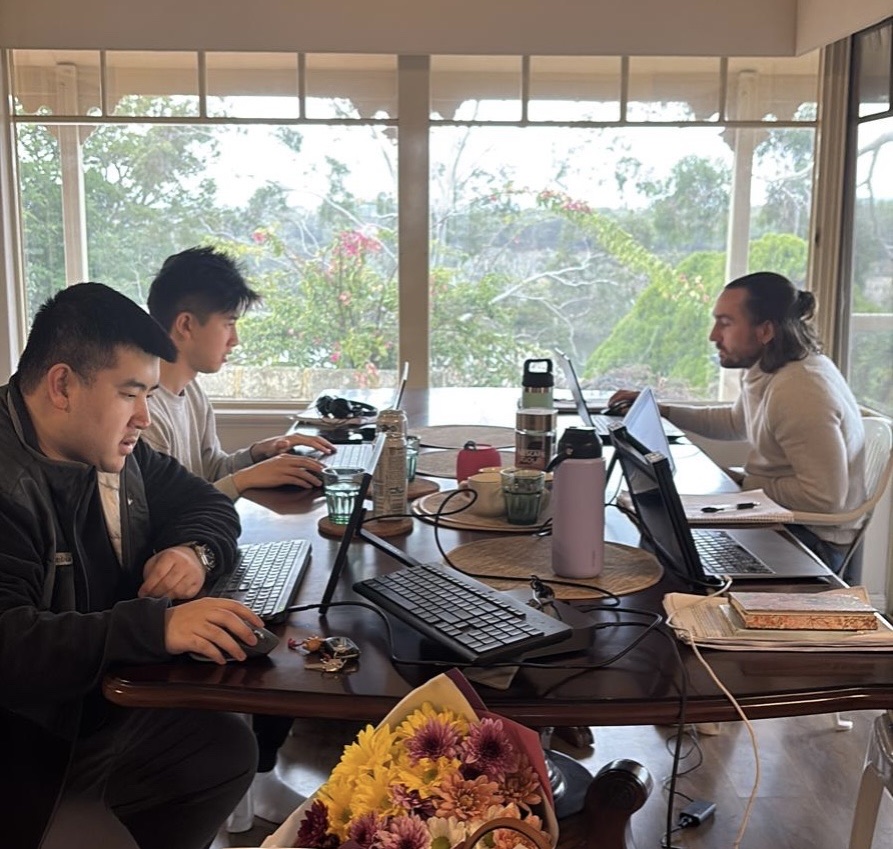
I really tried to give it time to get better - 12 years - but it didn't.
What did happen was AI made the trade-off (masquerading as a payoff) painfully obvious -- AKA, its promises to:
- get double the work done in half the time, but first you need to take triple the time to implement the...time saver.
- save money because efficiencies but then somehow end up with more subscriptions than you started with
- take away your admin, but only after you watch 12 videos on the... admin steps to empower you to... no longer have to do...admin
So in 2025, we spent 11 months deep-diving into the problems inside the Great Tech Gaslight and validating a lot of the problems we felt intuitively, with other tech users across industries and countries.
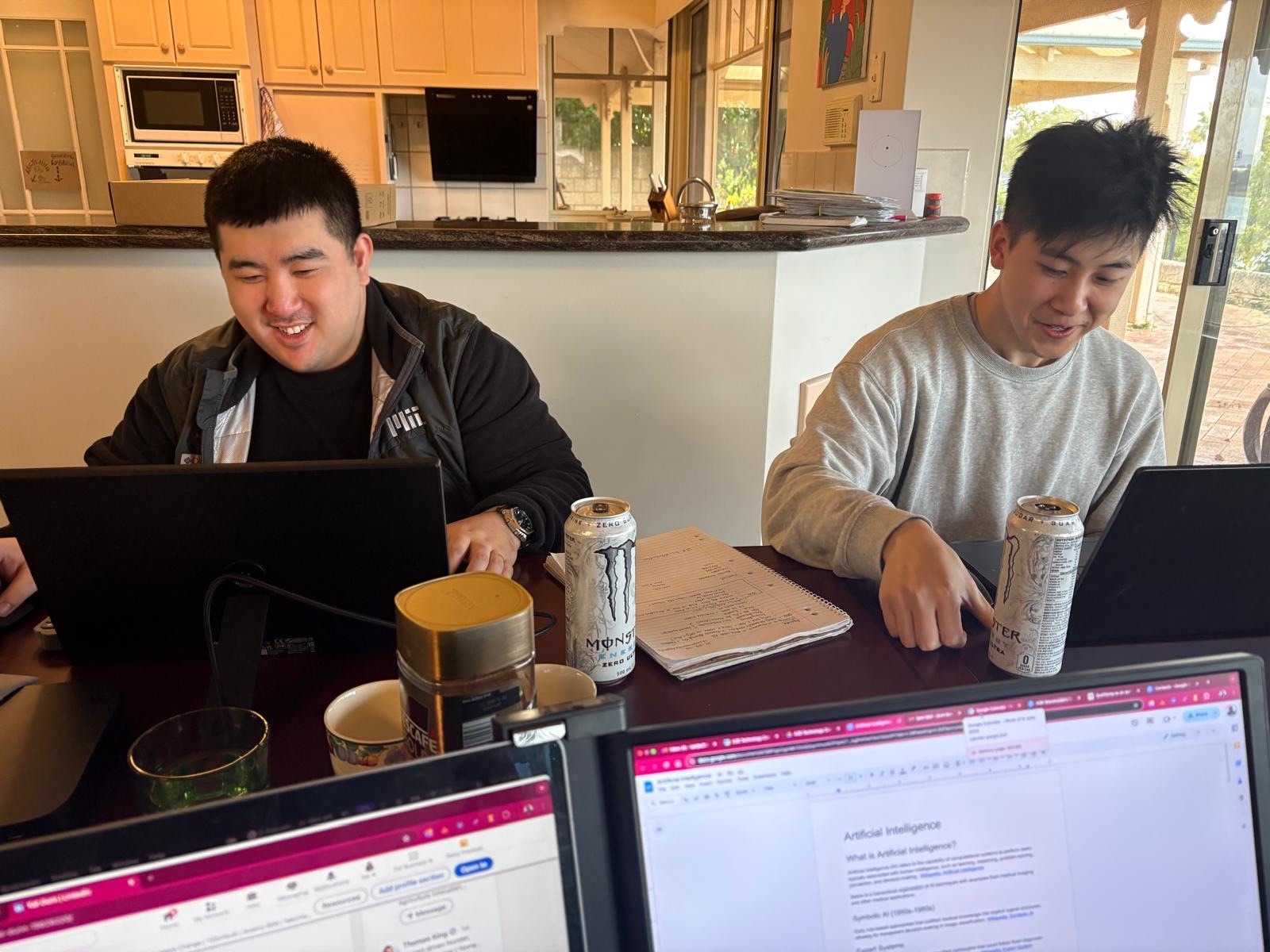
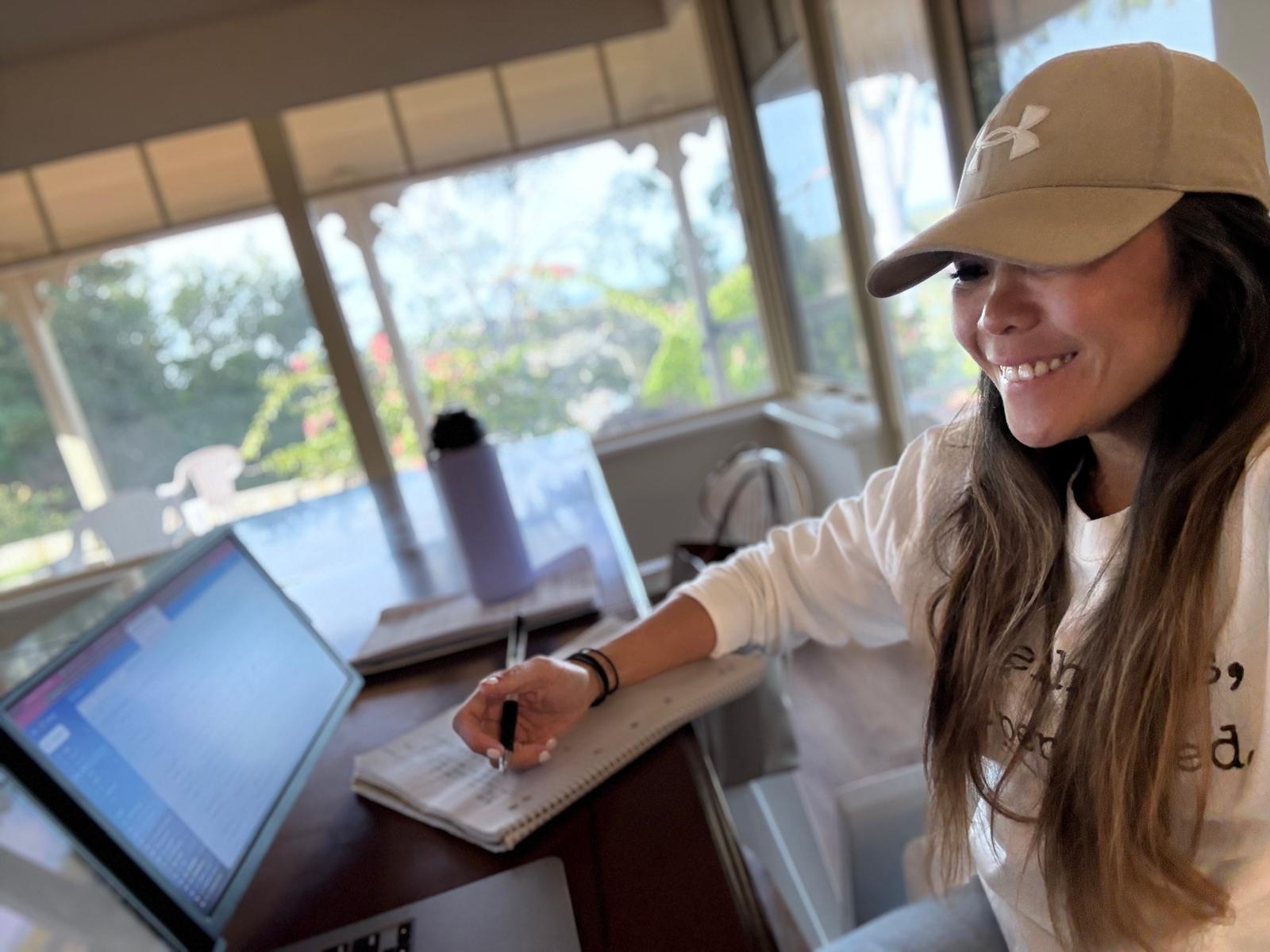
What we learned was:
- our existing tools are too complex, fragmented and confusing, making people context-switch between apps many times a day, leading to cognitive burnout.
- those tools are outdated compared to AI alternatives and all the new technologies which are launching daily.
- overwhelmed people don’t want to learn how to use yet another interface. And, they don’t want to be left behind. And, they genuinely want something to make their day-to-day life easier.
- overwhelmed people don't even want to learn to use their existing software's interface. Their tools actually already do many of the things they want, but the benefits are buried under... so many buttons.
Currently, people are damned if they do, damned if they don't. They can either:
- adopt yet more new apps, which adds to the noise, OR
- be left behind, which adds to the burnout.
The core problem seemed to be:
People with finite limits are expected to continuously learn and adjust to a limitless onslaught of new technologies, indefinitely.
The gaslight is this: yes technology itself makes things easier, but not when adoption means constant human behaviour change.
Change fatigue isn't an attitude problem. It's an energy problem.
So...... the solution?
We asked ourselves: what if instead of making us adapt to new software constantly, we made existing software adapt to us?
That’s why we made Talk2View: Software you can talk to.
We make existing software actually usable in your natural language.
Multilingual to reflect the global society we live in.
And multiple LLMs because we know that they are only going to get better - and there's only going to be more of them including new ones we haven't imagined yet.
So instead of pretending we are psychics who can predict the winners, why don't we make an adaptable core that can adopt the latest tools on demand so no-one ever has to worry about being left behind?
Mmmkay... so how do you make existing software not only AI-native but future-fit?
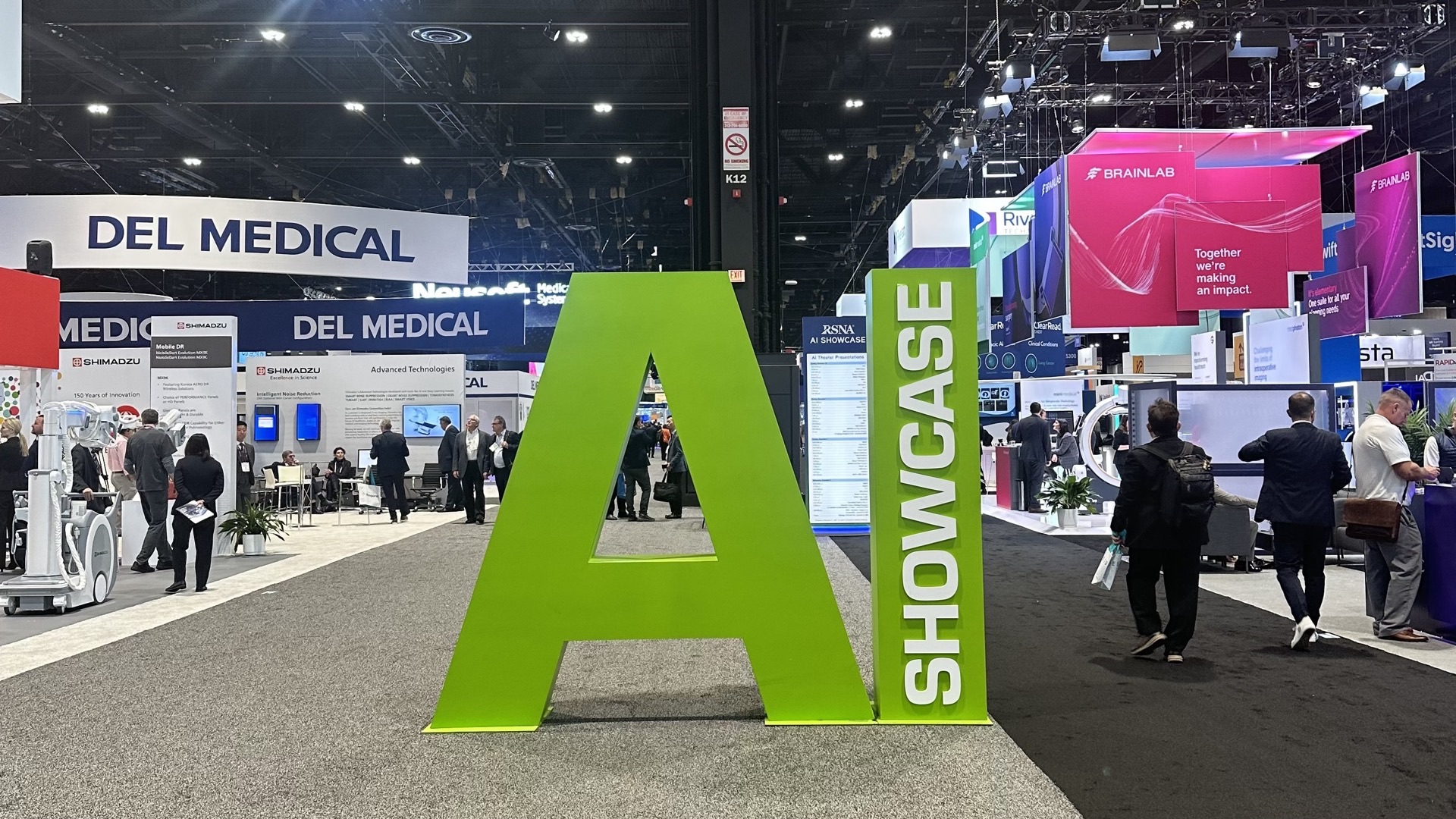
By building Talk2View Core: a plug-and-play AI layer that lets you control existing software in any language with minimal integration. We have many integrations including in domains such as medical imaging but the first consumer tool off the rank is T2Board — AI in your keyboard so you never have to app switch again.
It's like if Whatsapp, Grammarly, Wispr and Claude could all talk to each other ... except now they do. And you're the one that talks to them...to get them to talk to each other. In one unified view.
(or like if you could.. ahem.. for example...Talk2View)
Laiya (formerly T2Board) combines these disconnected lonely fragmented tools inside your keyboard like a little community for powerful-yet-isolated apps and you never have to leave your screen to search things up, rewrite or summarise messages, or now - with our Calendly (and upcoming Gmail) integration - send calendar invites directly from whatever messaging app you're coordinating from.
We are shipping new versions at least two times a week. We are now up to T2Board version 2.1 thanks to customer feedback.
We are currently working with customers to develop the features they want. So you should probably tell us what you want if you are a customer. Because we will build it (or get funding to build it). Because if you need it, we could probably use it ourselves to make our day to day lives easier too.
All of that to say, our thesis is that there needs to be a paradigm shift in how humans interact with technology in order for us to adapt with technology without burning out and creating unnecessary digital waste. This means fewer confusing interfaces, more interoperability and the mechanism to access the many powerful - existing - digital capabilities we already have, but can't access unless we have a PhD in which buttons to press.
Hopefully when we do this, we can actually get all of our software to talk to each other -- and free us up to talk to each other more too.
And instead of gaslighted, we might actually feel lighthearted.
Which was meant to be technology's payoff all along.